Overview
Alt-tabbing is where security careers burn out and incident response slows to a crawl. For most security teams, assembling the supporting information around each alert is the primary bottleneck in their day-to-day operations. An alert fires in one console but the asset ownership information is in another. The runbook is buried in an out-of-date wiki, the current best practices are buried inside recently closed tickets, and containment approval happens in an obscure and quickly forgotten chat DM. Analysts spend their best hours as human copy-paste machines while the investigative work that needs their judgment waits in the queue.
Attackers have already automated their side of the keyboard. In early 2026, incident responders recovered a staging server where a single operator had turned a crew of open-source AI agents on hundreds of online retailers, at an average model cost of just $25 per target. Weeks later, a state-backed threat group used autonomous agents to make more than 200 cloud tenant sign-ins in four minutes with stolen credentials, and went from initial access to full administrative takeover in under three hours. No human team alt-tabs fast enough to keep up with that by hand.
0-Alt-Tab puts an autonomous AI crew on the defenders' side, one you can verify and supervise. In one day you will deploy and command Hermes Agent on your own laptop. It is the open-source agent framework from Nous Research, and you can self-host it inside your own perimeter. Hermes keeps persistent memory, runs scheduled jobs, connects directly to enterprise tools through the Model Context Protocol (MCP), and learns reusable operational workflows and skills.
You will onboard Hermes the same way you would onboard a sharp junior SOC analyst: hand it a clear runbook, enforce least-privilege access, wire in a human supervisor, and make it prove itself against adversarial edge cases before granting it an ounce of production trust. No coding experience is required; if you can write an SOP, you can command Hermes to do the legwork.
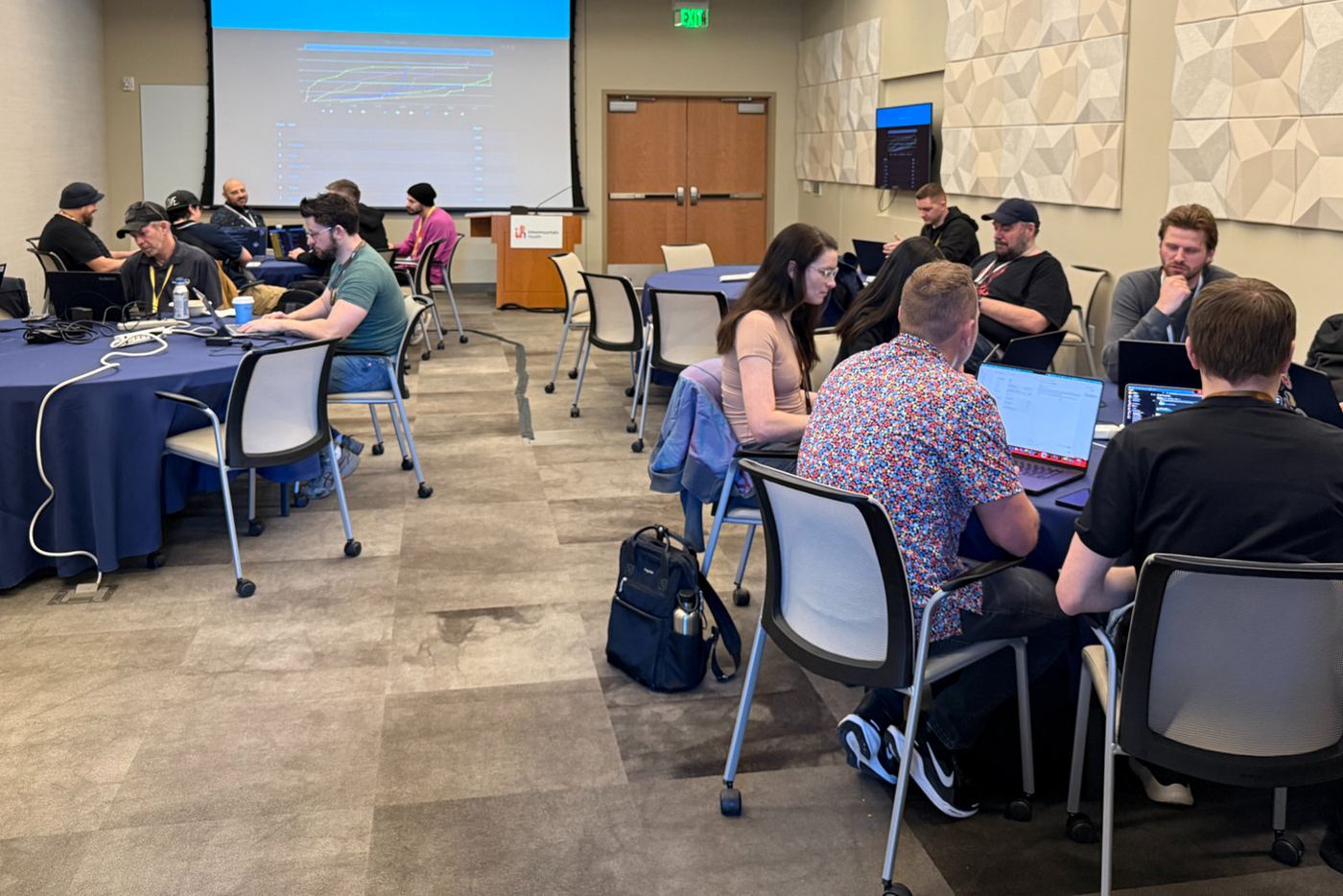
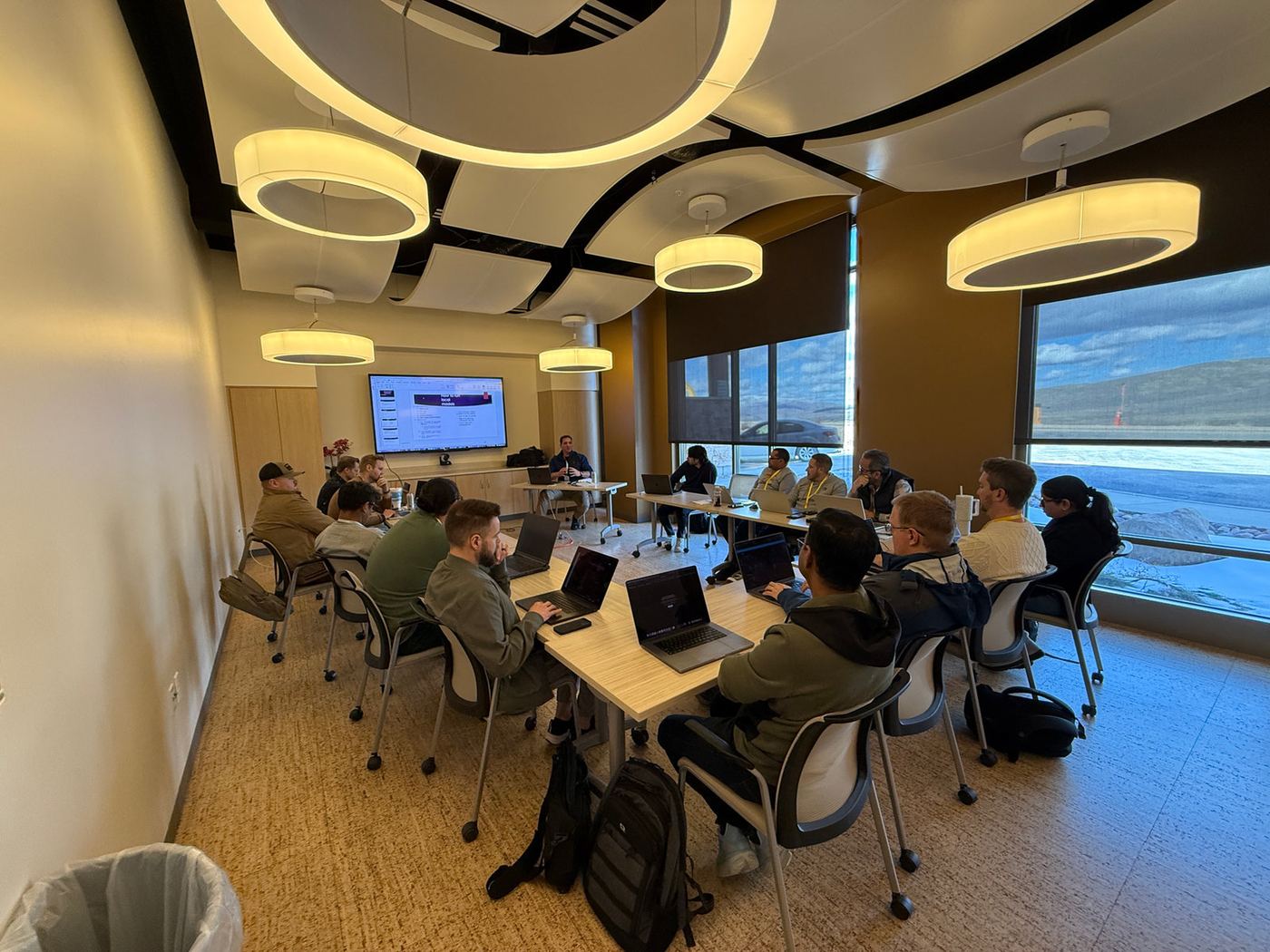
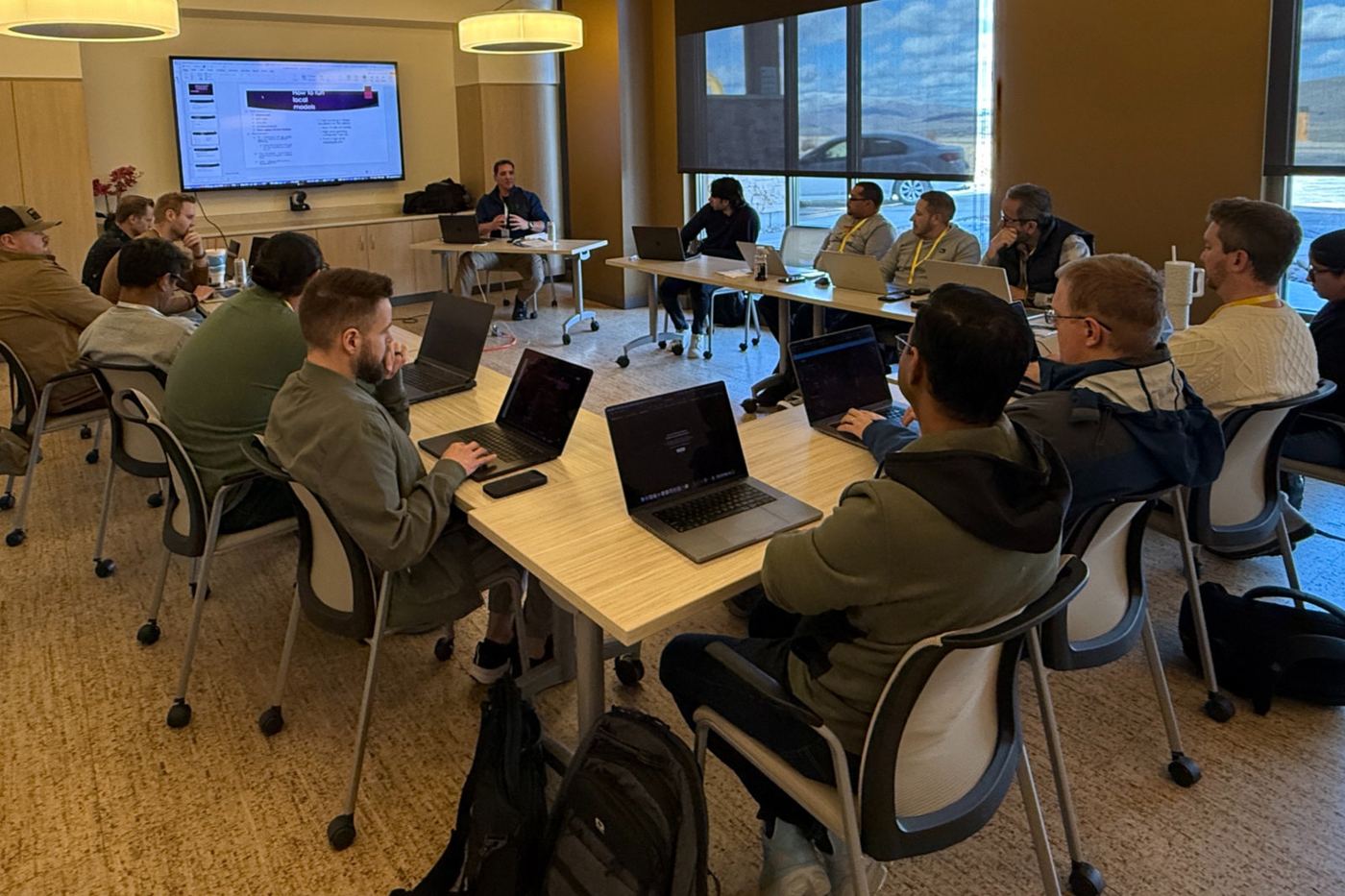
Morning session: Build (9:00 AM to 12:00 PM). You start Hermes on your laptop, inspect live tool-call traces to separate plausible hallucinations from verified evidence, build a source-cited vulnerability intelligence skill that pulls live from CISA's Known Exploited Vulnerabilities (KEV) catalog, and automate it as a morning brief that stays silent unless something needs action. Before lunch, you apply our process mapping and improvement framework to map a real incident workflow for handoff to an agent.
Afternoon session: Ship and Defend (1:00 PM to 4:00 PM). You build a supervised alert-triage agent that ingests alerts, cross-references your SOP, assembles enrichment context, cites the exact runbook clauses, and halts at a credential-enforced ChatOps approval gate before it executes any containment. You then put your agent through a six-case evaluation gauntlet. The day closes with a live demonstration of proactive countermeasures (such as decoys, canaries and tarpits) that detect and derail autonomous attacker agents, forcing attackers to burn through their token budgets.